Many people suffer from back pain, which can range in severity from minor to severe. A herniated disc stands out as one potential cause of back discomfort, while there are many others.
An injury to the soft pads between the vertebrae in your backbone results in a herniated disc. Your back may become painful, numb, or weak if a disc slips out of alignment and presses against nearby nerves. This pain can sometimes spread to your legs or arms.
Are you feeling always tired because of your back pain? If you have ongoing discomfort, a herniated disc could be the cause. You should visit a doctor to get the right diagnosis and treatment. Don’t let back pain run your life; make moves to find relief and boost your quality of life.
A disc plays a key role in safeguarding the spine’s bones. It soaks up jolts from everyday actions like lifting, twisting, and walking.
What Does “Slipped Disc” Mean?
According to Cronus Multi Speciality Hospital Specialist Doctors. A “slipped disc” does not necessarily indicate that the disc slipped. However, it indicates that it was split, ruptured, or bulged. The disc’s inner gel may leak into the surrounding area as a result of the disc rupturing and failing the surrounding tissues and disc cartilage. The spinal cord or any nearby nerve may be compressed by this jelly-like material, resulting in pain, weakness, and numbness in that region.
Other names for the ailment include prolapsed disk, herniated disc, and burst disc.
Signs of a Slipped Disc
A slipped disc can cause symptoms that range from minor to severe and differ from person to person.
- Back pain that radiates to your arms and neck
- Backache whether sitting or standing
- Weakness in muscles
- Burning, tingling, and itching in the afflicted region
- An affected side of the body is numb and painful.
- Back discomfort that gets worse after specific motions and at night
Individual differences may exist in the type and intensity of pain. If someone has back discomfort that causes tingling and impairs their ability to control their muscles, they should see a doctor very away.
How is the diagnosis made?
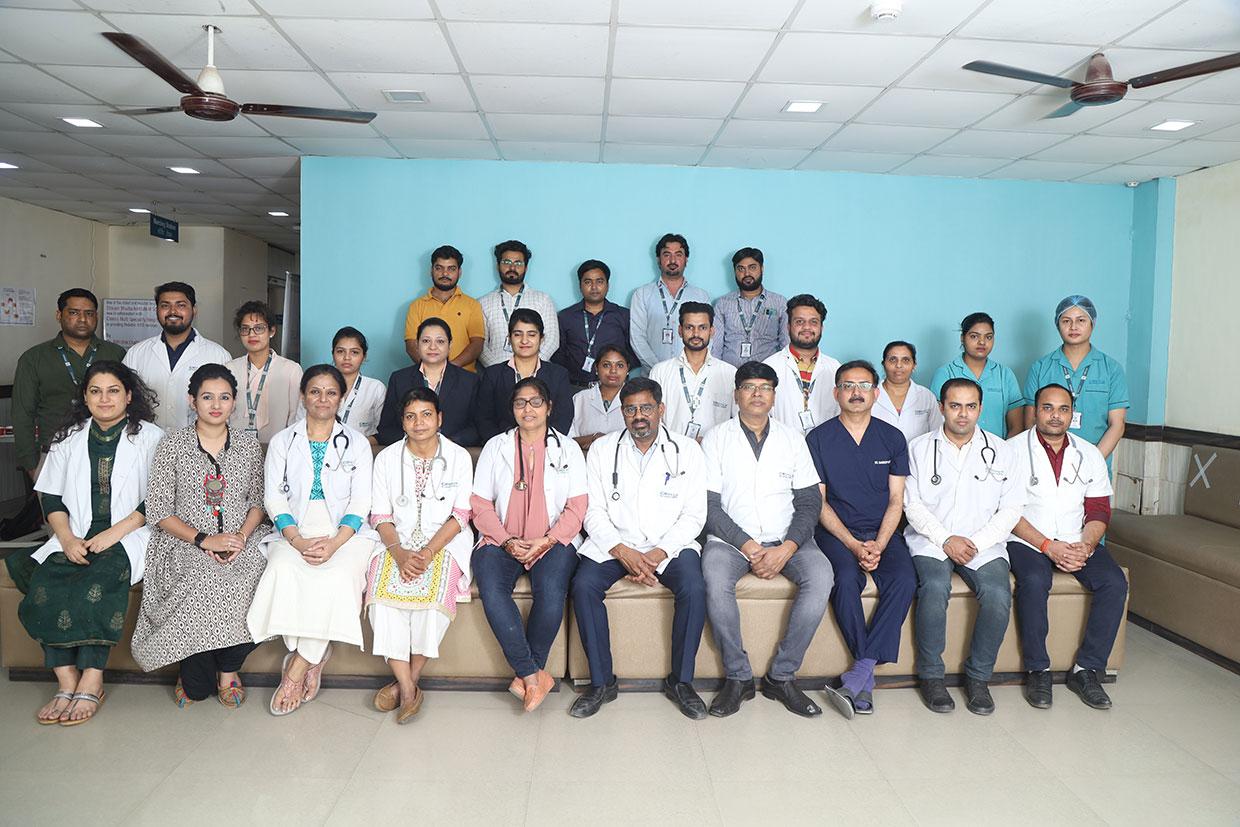
At Cronus Multi Speciality Hospital Specialist in chattarpur, perform a comprehensive examination to determine whether you have a slipped or herniated disc. Your pain, muscle reflexes, sensitivity, and muscular strength will all be assessed during the physical examination. They will also ask about symptoms like fatigue and back pain, which can be important markers of a herniated disk and its effects on your general health. Determining the degree of your weariness and discomfort aids in creating a successful treatment strategy.
They might request several tests, including:
The most popular and reliable imaging technique for identifying a suspected herniated disk is magnetic resonance imaging (MRI).
- X-rays: These images are used to rule out alternative reasons for neck or back pain.
- Computed Tomography (CT): A CT scan shows your spine’s bones in fine detail. It can reveal whether herniated disks have pressed against or pushed into the area surrounding your spinal cord and nerves.
- Myelogram: A myelogram entails a dye injection into your spine under X-ray guidance, followed by a CT scan. The dye draws attention to the herniated disk’s position as well as spinal stenosis, a narrowing of the spinal canal.
- Electromyogram (EMG): To assess nerve function, tiny needles are placed into a variety of muscles. Which nerve is impacted by the herniated disk can be determined with the use of an EMG.
How is a herniated or slipped disc treated?
The severity of the issue determines the course of treatment. Conventional treatments include medication, physical therapy, and surgery.
A slipped disc can occur in four different ways. They include disc bulging, disc protrusion, disc extrusion, and disc sequestration, ranging from mild to severe. Physiotherapy is recommended for patients with bulging discs. Some muscle relaxants may also be administered in addition to physiotherapy. However, surgery and physiotherapy are advised when the inner jelly-like portion of a degenerative disc separates and falls out.
Cronus Multi Speciality Hospital offers specialist care for those in chattarpur who require slip disc therapy in order to address the severity of the issue. When the discomfort is severe, surgery is the best option. When the pain becomes persistent and begins to radiate from the back to the legs, surgery is the chosen course of action.
What issues might a slipping disc cause?
Severe slipped discs might cause irreversible nerve damage if left untreated. Rarely, a slipped disc may cause nerve impulses to the cauda equina nerves in your legs and lower back to be interrupted, which could result in loss of control over your bladder or bowel movements. Saddle anesthesia is another dangerous side effect. You lose feeling at the back of your legs, around your rectum, and inside your thighs as a result of the slipped disc compressing nerves.
Additionally, a slipped disc can reason of persistent back pain and feelings of tiredness, impacting your overall life. While symptoms of a slipped disc may improve over time, they can also worsen. If you find yourself unable to perform activities you once could, or if you experience persistent tiredness and back pain, it’s important to see your doctor.
The following factors may make you more likely to acquire a slipped disc:
- Your sedentary lifestyle: According to the best physiotherapist in Noida, sitting all day without exercising might weaken your muscles and raise your risk of suffering a slipped disc. We put ourselves in danger when we work nine-to-five jobs when we all sit with our backs bent. Living like this can make you feel depressed and ill.
- Gym: Going to the gym is an excellent method to stay in shape. However, it’s also crucial to perform the exercise correctly for your safety. To prevent any form of back injury, you should follow your gym instructor’s instructions when lifting weights.
- Smoking: As everyone knows, smoking is bad for your health and increases your chance of developing a slipped disc. Smoking weakens the disc by lowering blood flow to its inner and outer regions. Even the smallest jolt or damage can cause the disc to become weak and slip, resulting in a slipped disc.
- Stress: Any kind of mental stress can raise your risk of slipping a disc. A person’s muscles get tight and rigid when they are under stress. According to the Felix Hospital physiotherapist, in this instance, even a small shock or motion can cause the disc to bulge.
- Obesity: Being overweight puts more strain on the discs, which can undoubtedly result in a slipped disc issue.
The secret to preventing any form of back issue is to sit, stand, and walk wisely.
If you have any questions or concerns about any of your physical pains, such as golfer’s elbow, frozen shoulder, arthritis, neck pain, back pain, etc. You can meet the top orthopedic and physiotherapist panel in your area by visiting Felix Hospital.
In conclusion
Cronus Multi-Speciality Hospital is a premier healthcare facility dedicated to providing top-notch treatment for back pain. When it comes to medical matters, many people make the error of relying solely on information found online. Their multi-disciplinary approach includes advanced supportive therapies, expert monitoring, and personalized treatment plans to manage and alleviate symptoms effectively.