TYPES, PROGRESS, CHALLENGES, AND SOLUTIONS
Humanity has been afflicted by malaria, a mosquito-borne illness brought on by parasites belonging to the Plasmodium genus, for ages. This old disease still presents a serious global health concern, despite tremendous advances in science and therapy.
At Cronus Multi Speciality Hospital Chattarpur, we are committed to exploring and addressing the latest advancements in the fight against malaria, identifying ongoing challenges, and discussing innovative strategies to ultimately eradicate this persistent global health threat.
WHAT IS MALARIA ?

Certain kind of mosquito can transmit the potentially fatal complaint malaria to humans. Tropical nations are where it’s primarily set up. It can be treated and averted. The sponger that causes the infection is the only thing that spreads from another to another. There are moderate to dangerous signs.
SYMPTOMS OF MALARIA OFTEN INCLUDE:
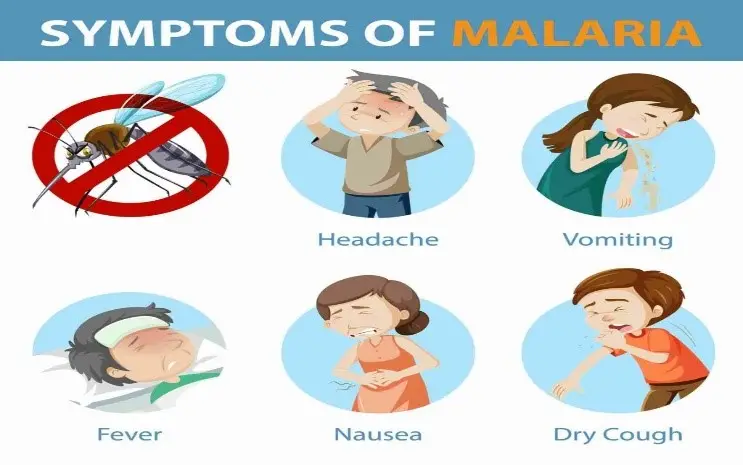
- Severe fever and perspiration
- Chills
- Headache and muscle aches
- Fatigue
- Chest pain, dyspnoea, cough
- Nausea, vomiting, and diarrhoea
Malaria’s severe symptoms and indicators include anaemia and jaundice.
- Seizures
- Bloody stools; seizures; renal failure
- Dark urine
- Breathing difficulties
- Dizziness
TYPES OF MALARIA IN INDIA
In India, the most common types of malaria are:
- Plasmodium falciparum (P. falciparum): This is the most prevalent species, accounting for around 60-70% of malaria cases in India.
- Plasmodium vivax (P. vivax): This species accounts for around 30-40% of malaria cases in India.
DIAGNOSING MALARIA
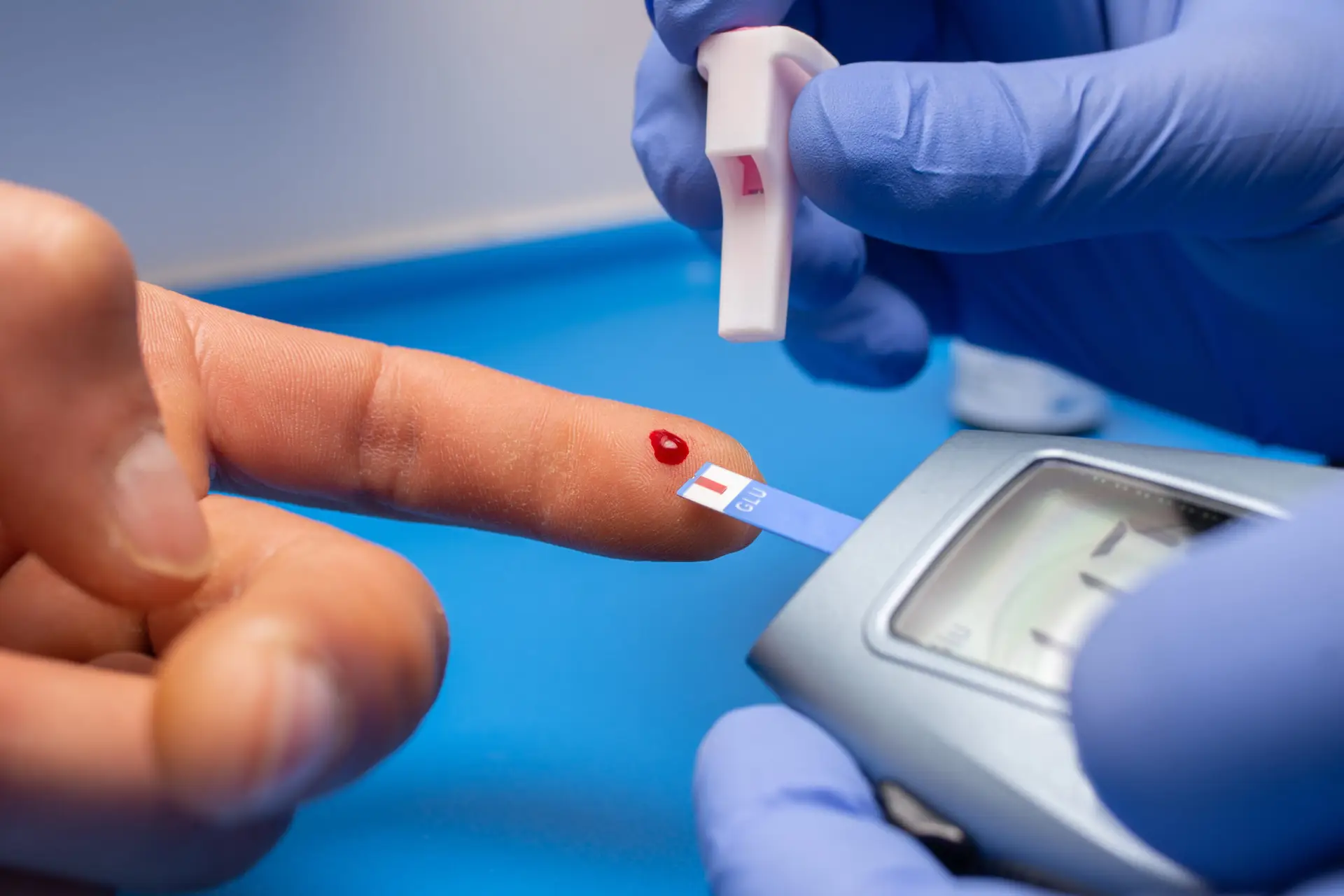
As soon as you feel ill, make an appointment with the doctor. In order to find out whether you have a parasite, your doctor might examine you and request a blood test. To help them better understand your health risks, let them know about your past travel experiences as well. By conducting blood tests, the physician can identify the type of plasmodium causing the infection, diagnose malaria, and determine the best course of therapy.
Blood tests can come in a variety of forms.
Examination of peripheral blood smears: Patients’ blood is used to create thick and thin blood smears, which are then stained and examined under a microscope. This test can identify and classify malarial parasites. This is regarded as the gold standard test for malaria diagnosis.
PCR-style molecular testing Should the smear of blood : In the event that the report is inconclusive, medical professionals may request a molecular test to identify any parasites. Among the malaria tests that are now available, this one has the highest sensitivity.
Quick antigen test that finds the antigen or enzyme of a parasite. The simple-to-use Malarial Antigen (Vivax & Falciparum) Detection Test can distinguish between the two common plasmodium species kinds.
PROGRESS IN THE FIGHT AGAINST MALARIA

Over the past few decades, significant progress has been made in the global fight against malaria. In many areas, the use of bed nets coated with insecticide to prevent mosquito bites during sleep has significantly decreased the spread of malaria. Similar improvements in treatment results have been made by developments in antimalarial medications, such as artemisinin-based combination treatments (ACTs).
International initiatives have also been quite important. Worldwide malaria control initiatives have been supported by the mobilisation of resources and knowledge by organisations such as the World Health Organisation (WHO), the Global Fund, and other non-governmental organisations (NGOs). Consequently, throughout 2000 to the present, there has been a 30% global decline in the incidence of malaria and a 60% decrease in fatalities.
CHALLENGES THAT REMAIN
The battle against malaria is nevertheless hampered by a number of issues in spite of these victories. The rise of drug-resistant variants of the most severe malaria parasite, Plasmodium falciparum, is one of the most urgent problems. The efficacy of current medicines is diminished and disease management efforts are complicated by these resistant bacteria.
Healthcare access is still a major obstacle. Lack of access to medical facilities and diagnostic equipment hinders prompt treatment and control of malaria in many malaria-endemic areas, especially in sub-Saharan Africa. Conflict and unstable economies can worsen these problems, making it more challenging for impacted communities to get the care they need.
RESOLUTIONS AND FUTURE DIRECTIONS
Beating these challenges requires a multi-pronged approach. Creating new tools and tech offers one promising path. Scientists are working on a malaria vaccine; in tests, the RTS,S shot has shown good results. Steady money to develop and study vaccines plays a key role in controlling and wiping out malaria for good.
Combining different ways to fight mosquitoes can help solve the problem of insecticide resistance. This plan might involve cleaning up areas where mosquitoes breed through better environmental care releasing changed bugs that are less likely to spread malaria, or trying out different bug killers.
CONCLUSION
At CRonus Multi speciality Hospital , our dedication to fighting malaria is demonstrated through our comprehensive and effective treatment strategies. Our multidisciplinary team is equipped to handle both uncomplicated and severe cases with a variety of advanced therapies. Our primary treatment options include:Artemisinin-Based Combination Therapies (ACTs).
By integrating these treatment modalities, CRonus Multi speciality Hospital aims to provide the highest standard of care, enhance patient outcomes, and contribute meaningfully to the global effort against malaria. Our commitment to continuous improvement and adherence to the latest guidelines ensures that every patient receives personalized and effective treatment.